Budget Risk Management Training for Australian Teams
We've spent years working with finance teams across Australia. The conversations usually start the same way: someone missed a risk indicator, a budget went sideways, and now there's pressure to fix processes that were never properly built.
Most teams don't lack intelligence. They lack structured frameworks for spotting trouble before it compounds. That's where focused training makes a real difference.
Our programmes running through late 2025 and into 2026 focus on practical risk assessment methods you can implement immediately in your workplace.

What Our Participants Achieved in 2024
Reported improved risk identification within 90 days of training completion
Average time to implement first major process improvement
Finance professionals trained across Sydney, Melbourne, and Canberra
These aren't hypothetical outcomes. We track participant progress through quarterly check-ins. The data shows that structured training in budget risk frameworks leads to measurable improvements in forecasting accuracy and early warning systems. But it requires commitment to applying what you learn, not just attending sessions.
Real Experiences from Recent Participants
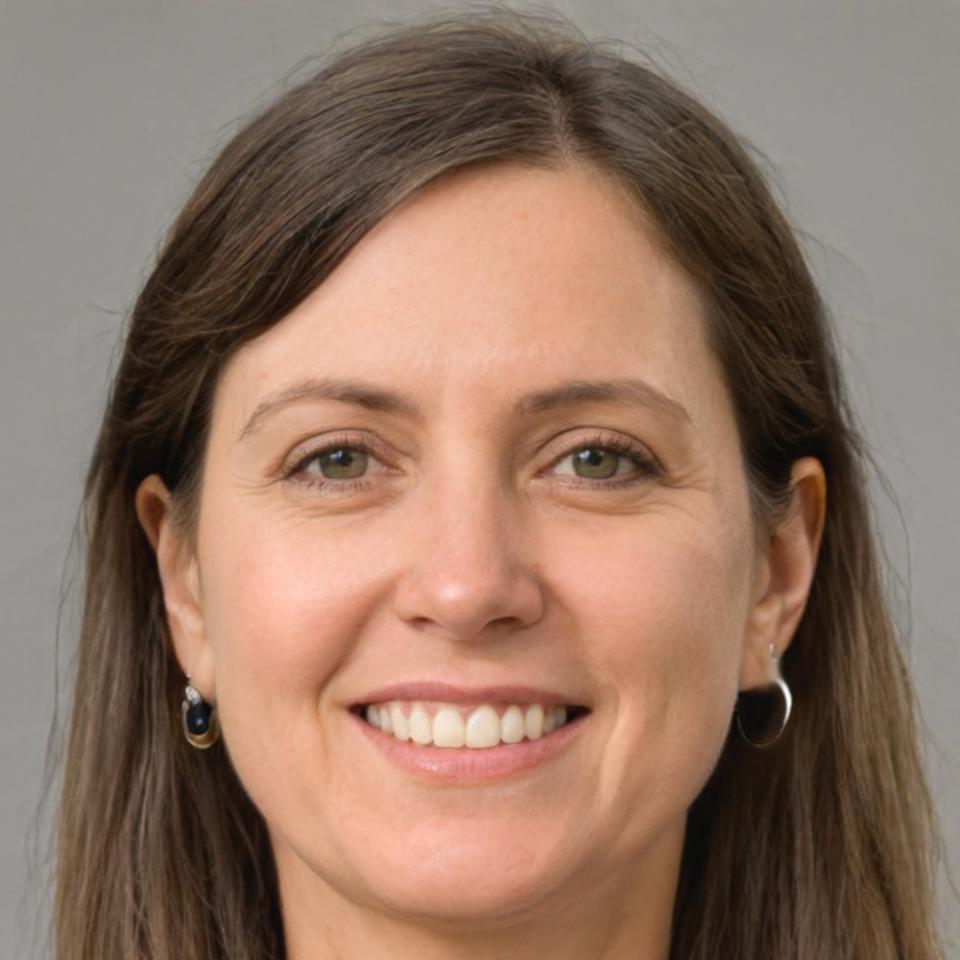
What helped most was learning to map variance patterns we'd been seeing but never formally tracked. Three months after the programme, we caught a budget drift that would have cost us significantly by year-end. The frameworks aren't complicated, but they need to be taught properly.
Ingrid Halvorsen
Budget Controller, Manufacturing Sector

I'd been doing finance work for twelve years, mostly flying by experience and instinct. The training gave me a structured approach to risk scoring that I could actually defend to senior leadership. It's changed how I approach quarterly reviews completely.
Brenna Quillan
Financial Planning Manager, Healthcare
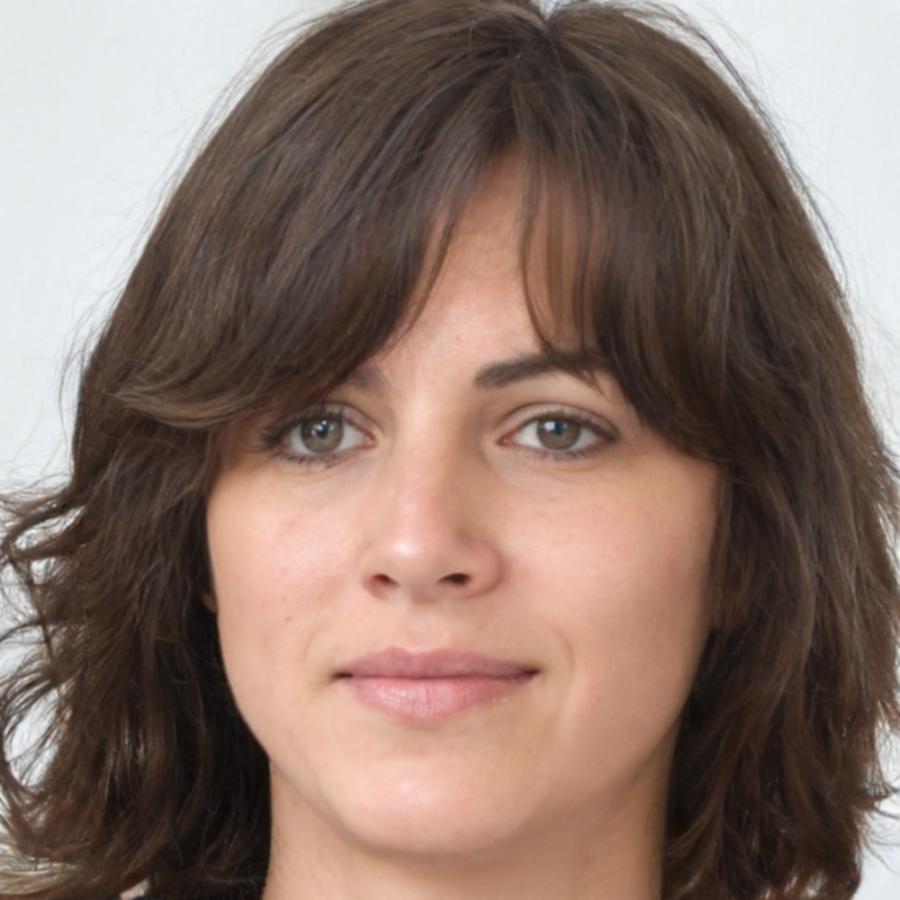
The case studies used actual Australian business scenarios, which made it relevant. We weren't learning abstract theories that don't apply here. I'm now training my own team using the methods from the programme because they actually work in our context.
Tahlia Mortensen
Finance Director, Technology Services
How the Training Programme Works
Assessment and Foundation Building
We start with a diagnostic of your current risk management approach. This isn't a test. It helps us understand where your team is starting from so we can focus on gaps rather than repeating what you already do well.
First four weeks cover risk identification frameworks, variance analysis methods, and forecasting fundamentals. You'll work with real budget scenarios and learn to spot patterns that typically precede problems.
Practical Application Phase
Weeks five through eight focus on applying frameworks to your actual work. Bring your real budgets, your actual forecasts, your current pain points. We work through them using the methods you've learned.
This is where theory becomes useful. Most participants say this phase is where things click because they're solving their own problems, not abstract exercises.
Implementation and Refinement
Final four weeks concentrate on building sustainable processes. How do you implement early warning systems? What reporting structures actually get attention from leadership? How do you maintain these practices when daily pressures mount?
You'll develop a customised implementation plan for your organisation. We review these plans as a group and provide feedback before you roll them out.
Ongoing Support Access
After programme completion, you get six months of consultation access. Questions come up during implementation. Having someone to ask makes the difference between following through and abandoning good intentions when obstacles appear.
Most participants use this for quarterly check-ins during their first two budget cycles with the new frameworks in place.
Next Programme Starts September 2025
We're currently taking expressions of interest for our autumn programme. Sessions run Tuesday evenings and Saturday mornings to accommodate work schedules. Limited to 16 participants to maintain quality interaction.
Get Programme Details